Hairless Dog Breeds: Xolo, Chinese Crested, Peruvian and American Hairless
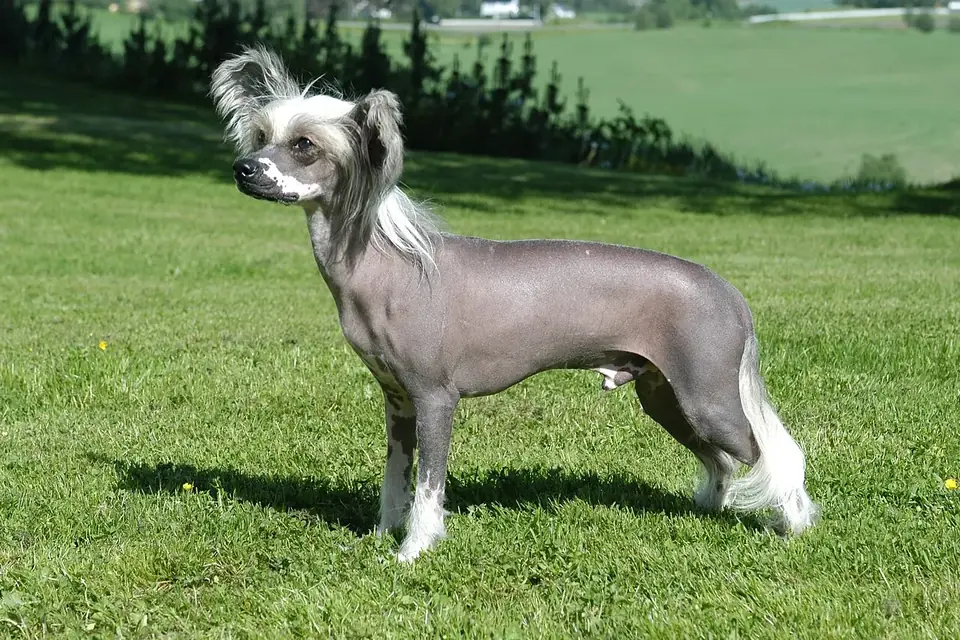
Only a handful of dog breeds are naturally hairless. The three oldest and best known, the Mexican Xoloitzcuintle, the Peruvian Hairless Dog and the Chinese Crested, share the same dominant gene mutation. The fourth, the American Hairless Terrier, became hairless through a different, recessive gene in the 1970s.
The genetics in one paragraph
In 2008 a team led by Cord Drögemüller reported in Science that the hairlessness of the Xoloitzcuintle, the Peruvian Hairless Dog and the Chinese Crested is caused by a mutation in a gene called FOXI3, which is involved in the development of hair and teeth. The mutation is dominant: one copy makes a dog hairless. But two copies are lethal before birth, so every hairless dog of these breeds carries one hairless copy and one normal copy. This has two practical consequences:
- Coated puppies keep appearing. Mating two hairless dogs produces, on average, two hairless puppies for every coated one (the embryos that would have had two copies do not develop). Mating a hairless dog with a coated one gives about half and half.
- Missing teeth are part of the package. Because FOXI3 also affects tooth development, hairless dogs commonly lack some premolars and may have irregular teeth. Breed standards for these breeds therefore tolerate incomplete dentition in the hairless variety; coated dogs usually have a full set.
Despite the name, "hairless" dogs usually have some hair: tufts on the head, feet or tail-tip, or a light fuzz.
Xoloitzcuintle (Mexican Hairless Dog)
The name, often shortened to "Xolo" (pronounced roughly SHOW-low), comes from Nahuatl: Xolotl, an Aztec god associated with fire, lightning and the underworld, and itzcuintli, "dog". Ceramic figures of hairless dogs have been found in ancient burial sites in western Mexico, and dogs were buried with their owners in several Mesoamerican cultures, which is often read as a role as guide to the afterlife.
The breed comes in three sizes (toy, miniature and standard) and in both hairless and coated varieties, which can occur in the same litter. It nearly disappeared in the first half of the 20th century. Breed historians credit a 1954 expedition, backed by the Fédération Cynologique Internationale (FCI), with finding the dogs that founded Mexico's revival programme, and Mexico officially recognised the breed in 1956. In the United States, a Xolo was registered with the American Kennel Club as early as 1887, but the breed was dropped from the stud book in 1959; it returned to full AKC competition on 1 January 2011. In 2016 Mexico City declared the Xolo part of the city's cultural heritage.
Peruvian Hairless Dog
Hairless dogs appear on ceramic vessels of the Moche culture of northern Peru from around AD 750, and in the later Chimú and other Andean traditions. Today Peru regards the breed as part of its national heritage, and the FCI standard describes three sizes, from small (25–40 cm at the shoulder) to large (50–65 cm). In the United States the related Peruvian Inca Orchid is registered separately by the AKC. Like the Xolo, it is lean, alert and sighthound-like in build.
Chinese Crested
Despite its name, the breed's origins are uncertain, and many writers doubt that it comes from China at all; its shared FOXI3 mutation with the American breeds suggests a common ancestry somewhere in its past. It is a toy breed of around 4.5–6 kg, with two varieties that can be born in the same litter: the Hairless, with silky hair on the head (the "crest"), tail and feet, and the Powderpuff, with a full, soft double coat. The FCI recognised the breed in 1987 and the AKC in 1991. Chinese Cresteds have often been entered in "world's ugliest dog" contests, a reputation that says more about the contests than about the breed.
American Hairless Terrier
The youngest hairless breed began in 1972, when a hairless female puppy named Josephine was born in a litter of Rat Terriers and was adopted by Willie and Edwin Scott of Louisiana, who went on to breed further hairless dogs from her line. The breed's hairlessness is recessive and comes from a different gene from the FOXI3 breeds, so it does not cause missing teeth and is not lethal in double dose. The United Kennel Club recognised the breed in 2004 and the AKC in 2016. Some American Hairless Terriers are born with a short coat.
Caring for bare skin
- Sun: pale skin burns. Owners and veterinarians commonly recommend shade, light clothing or a pet-safe sunscreen for long periods outdoors.
- Cold: without fur, these dogs lose heat quickly and need protection in cold weather; they are indoor dogs.
- Skin: regular gentle washing helps prevent blackheads and acne, but over-washing or heavy moisturisers can dry the skin or block pores.
- Allergies: hairless dogs are sometimes promoted as "hypoallergenic". The major dog allergens are found in skin flakes, saliva and urine, not just hair, and studies have not found reliably lower allergen levels in homes with so-called hypoallergenic breeds. People with dog allergies should not rely on the label.
Quick quiz: hairless dogs
Sources
- Drögemüller, C. et al. (2008). "A mutation in hairless dogs implicates FOXI3 in ectodermal development." Science 321(5895): 1462. doi:10.1126/science.1162525
- American Kennel Club breed pages: Xoloitzcuintli, Chinese Crested, American Hairless Terrier, Peruvian Inca Orchid.
- Fédération Cynologique Internationale, breed nomenclature and standards.
- Vredegoor, D. W. et al. (2012). "Can f 1 levels in hair and homes of different dog breeds: lack of evidence to describe any dog breed as hypoallergenic." Journal of Allergy and Clinical Immunology 130(4): 904–909. doi:10.1016/j.jaci.2012.05.013
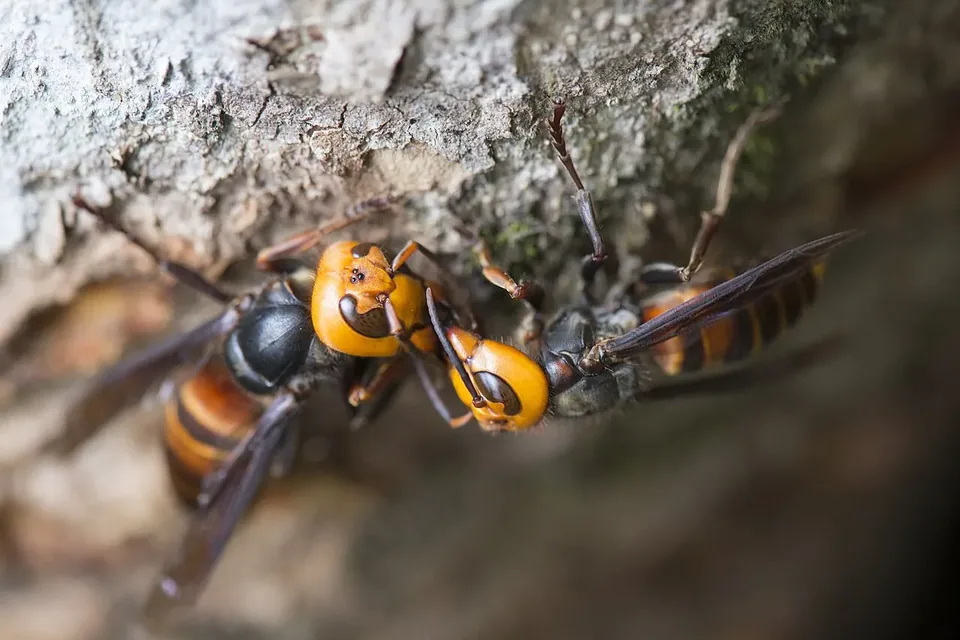 Nature
The giant Asian hornet
Vespa mandarinia: size, venom, hive raids, and how North America eradicated it.
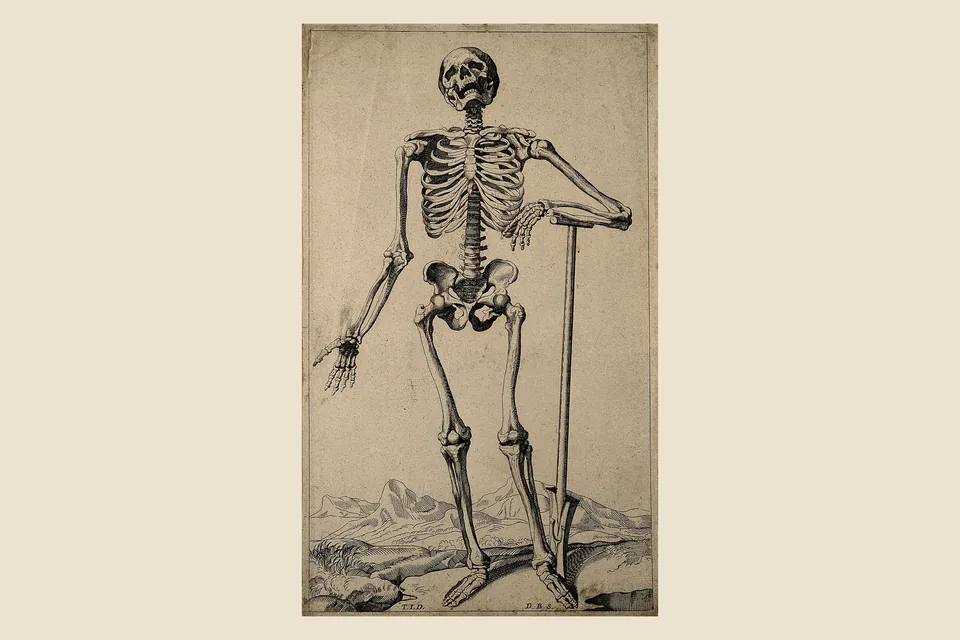 Human Body
Bones of the body
Why adults have 206 bones and babies more, and how they split across the skeleton.
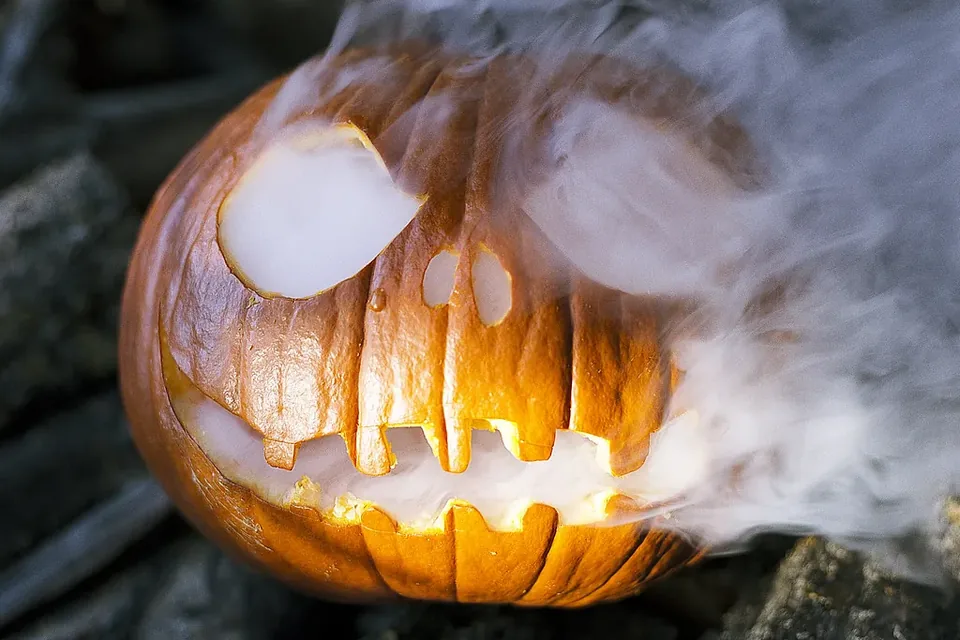 People & Customs
How did Halloween start?
Samhain, All Hallows' Eve, guising and turnip lanterns: where the holiday comes from.