Human Body
Bones, nerves and how the body is put together, in plain language.
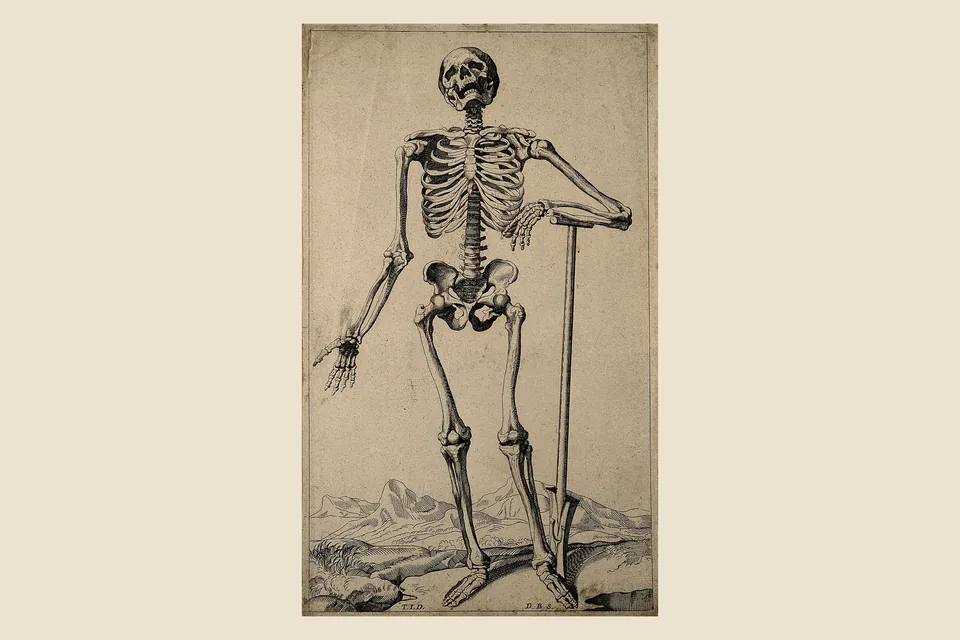
- Bones of the Body: How the 206 Bones of the Skeleton Add Up
Why adults have 206 bones and babies more, how they split between skull, spine, ribs, arms and legs, the longest and smallest bones, and what bones do besides hold us up.
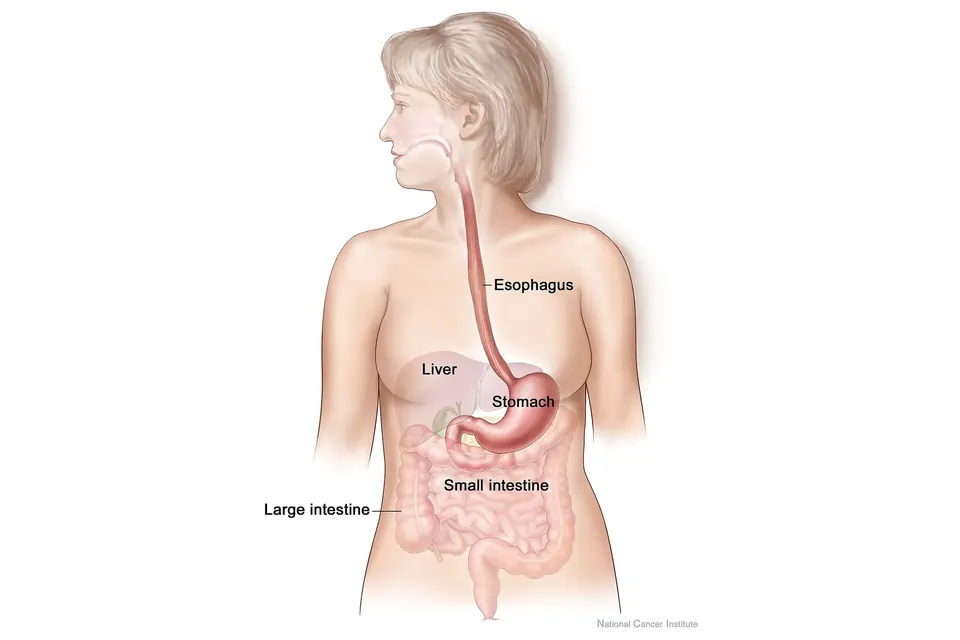
- How Digestion Works: From the First Bite to the Large Intestine
What each part of the digestive system does, from chewing and swallowing to the stomach, pancreas, liver and intestines, why the gut is not the size of a tennis court, and the experiments that worked out how digestion is controlled.
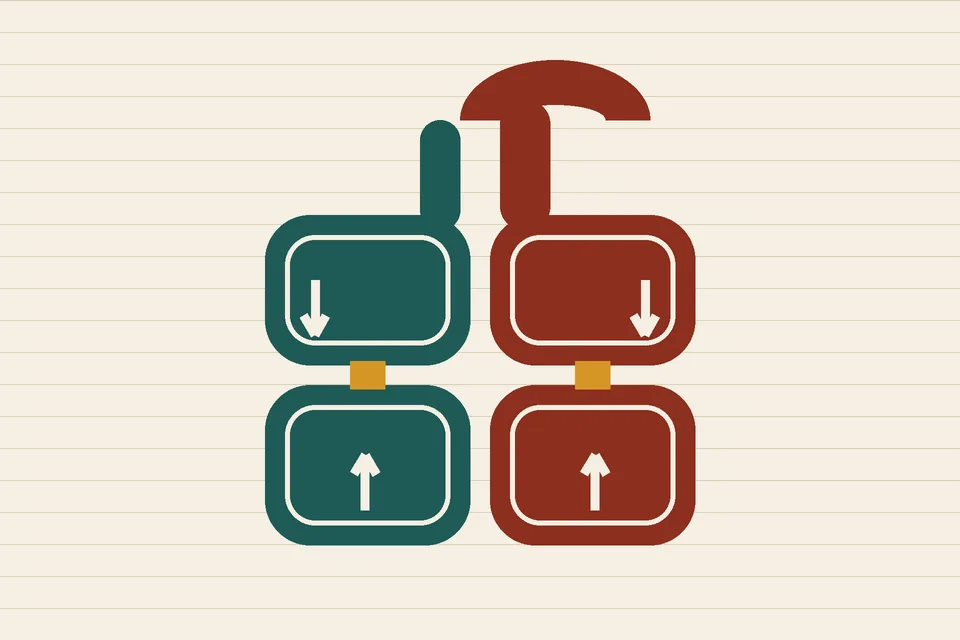
- How the Heart Works: Four Chambers, Four Valves and One Electrical Spark
How the human heart pumps blood through two circuits, what its chambers and valves do, where each beat starts, what a normal resting heart rate is, and the history behind the facts.
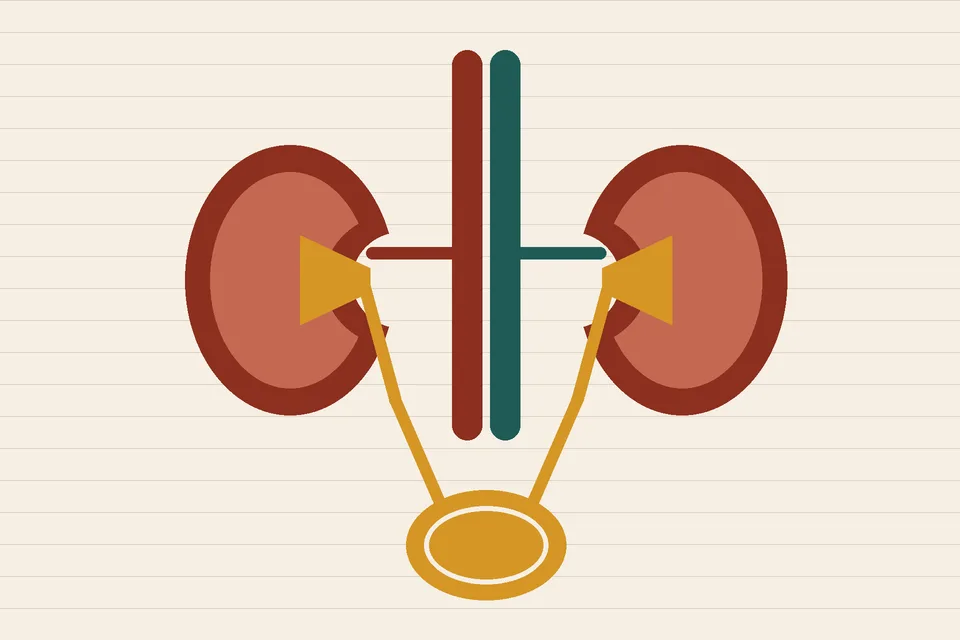
- How the Kidneys Work: Nephrons, Filtering and the Hormones Few People Know About
Where the kidneys sit, how a million nephrons each filter the blood and then take most of it back, why only a litre or two becomes urine, the hormones the kidneys make, and the dialysis machine and twin transplant that changed kidney medicine.
- How the Lungs Work: Airways, Alveoli and the Muscle That Does the Breathing
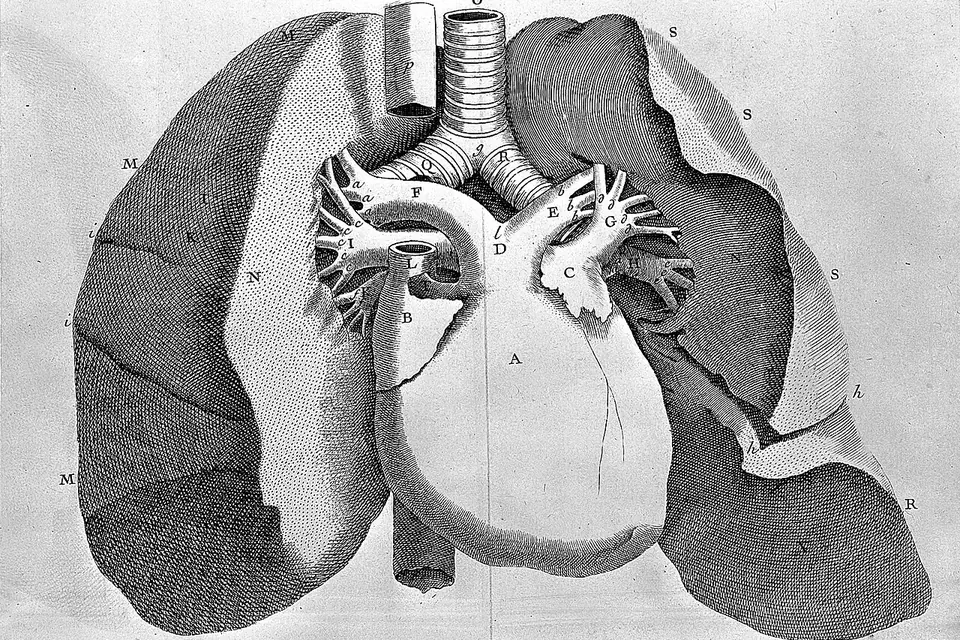
How the lungs are built, why the right lung has three lobes and the left only two, how many alveoli there really are, what the diaphragm does, what controls each breath, and the discovery that saved premature babies.
- The Central Nervous System: Brain and Spinal Cord Explained
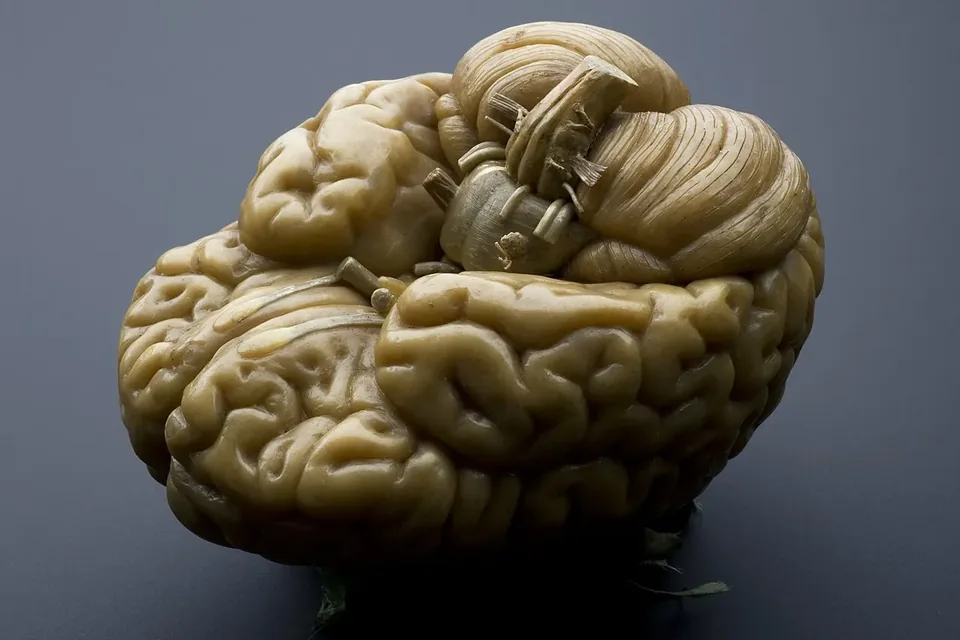
What the central nervous system is, how the brain and spinal cord are built and protected, how neurons signal, and the numbers worth knowing, from 86 billion neurons to 31 pairs of spinal nerves.